Author Archives: Mark

Sea Turtle Nesting Season
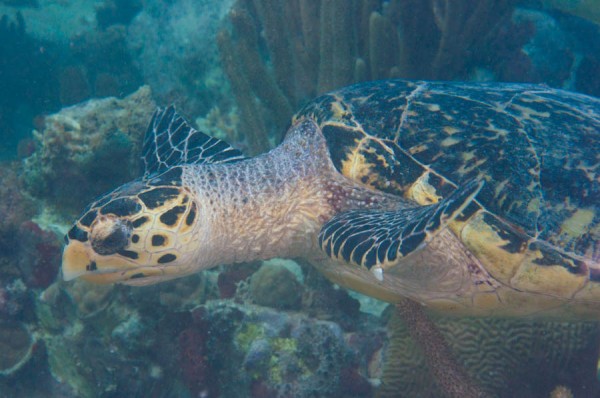
If you are at the beach in the morning and see something that looks like tank tracks coming up from the sea, they’re probably sea turtle tracks. Three species of sea turtle nest on St. Martin, the hawksbill (pictured), the leatherback and the green turtle. They typically nest between April and November on beaches all over the island. If you […]
read more

Project Press on St. Martin

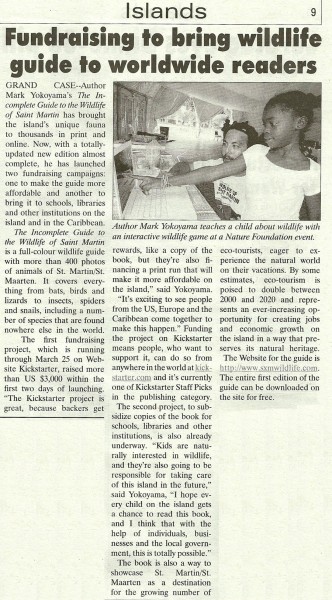
We are very excited to have the project featured in some of the local media today. We appreciate the support for our projects to make the guide more accessible, and it’s also a great help in spreading the word that the guide exists to anyone who may not already know about it. The Daily Herald article is below and here […]

read more

Dr. van Rijgersma and Citizen Science on St. Martin

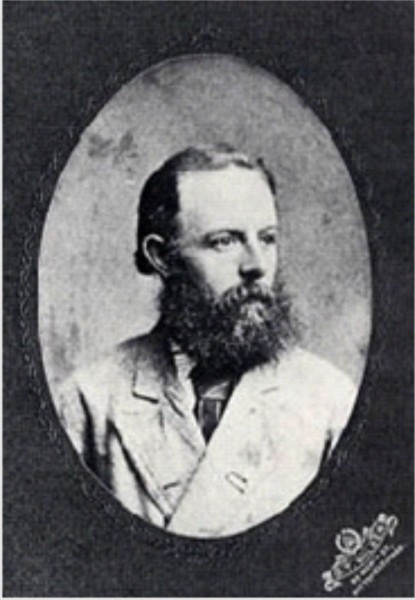
During the late 1800s, we knew more about the biology of St. Martin than perhaps any other Caribbean island. This was essentially due to one man, Dr. Hendrik van Rijgersma, a physician sent to the island in 1863 to provide medical care to the former slaves after emancipation. Dr. van Rijgersma was a malacologist (he studied and collected shells), but […]

read more

Baby Bush Cricket

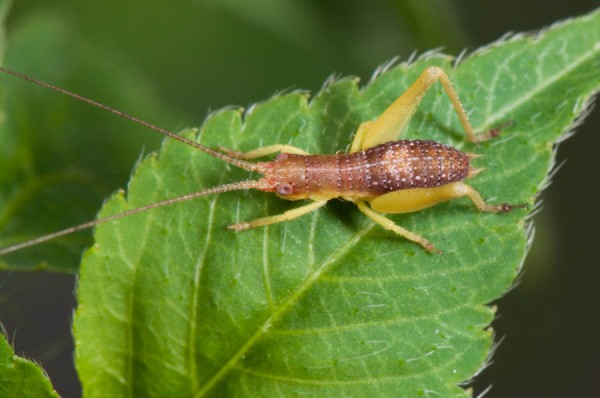
Here’s a baby bush cricket, probably Carylla proalbifrons or a similar species. Everyone who read The Very Hungry Caterpillar when they were little knows that some insects, like butterflies, undergo a complete metamorphosis. Many other insects, including crickets, undergo an incomplete metamorphosis, from egg to nymph to adult. Nymphs are typically similar in form to adults, although they often don’t […]

read more

Deformities in Cuban Tree Frogs

Cuban tree frogs will lay their eggs in just about any fresh water, even temporary pools and manmade structures. It’s a necessity if your children are tadpoles and you live on a relatively dry island. A couple years ago, some friends found hundreds or even thousands, of tadpoles and young frogs in an unused swimming pool. Many of the frogs […]

read more

Party Conehead Is Pretty Excited!

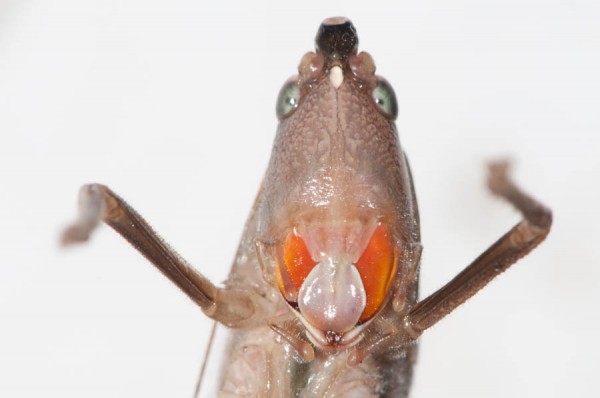
If you hear a loud, rasping insect at night, it’s probably the broad-tipped conehead. It’s a type of katydid, and as you can see, they have a little cone at the top of their head. They’re quite common on St. Martin and can be either green or brown. Party conehead is also all excited because we hit our fundraising goal […]

read more

Crazy Bee

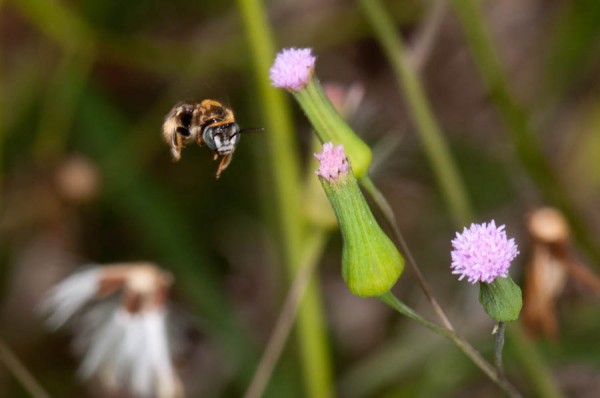
This centridine bee is really taking off. These bees are specially adapted to harvest oils from flowers, instead of, or in addition to, pollen and nectar. This group also includes a species on St. Martin known as Abeille folle des plages, which is French for crazy beach bee. Our fundraising projects are also really taking off. As of this morning […]

read more

Launching!

Launching! Today I’m launching a couple fundraising projects. On Kickstarter, I have a project to raise funds for a printing of the all-new, totally-updated 2nd edition of the wildlife guide. Contributors receive rewards, so this is the perfect way to pre-order a copy of the new book. Even if you already have the first edition, you’ll want the new one, […]

read more

Lesser Antillean Bullfinch

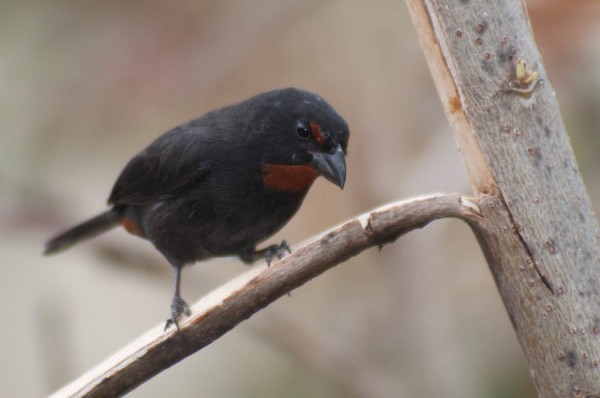
The Lesser Antillean Bullfinch is found only in the Lesser Antilles, but is common on most of the islands in its range. They have a thick bill for eating seeds. Males are black with reddish-brown patches on the chin, near the tail and above the eyes. Females are basically plain brown. One source tells me the local name for this […]

read more

Common Gallinule

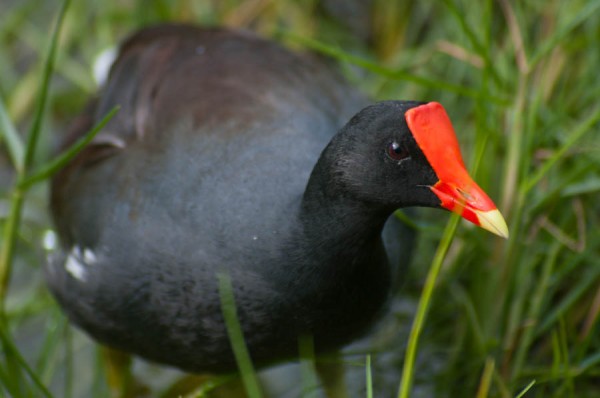
The common gallinule can be found on all of our ponds. When the first edition of the guide was published, it was the common moorhen, but since then the old world and new world populations have been split into two species, and ours was renamed. It’s a member of the rail family and is locally known as the water chicken. […]

read more