Author Archives: Mark

Field Trip with St. Maarten Montessori School
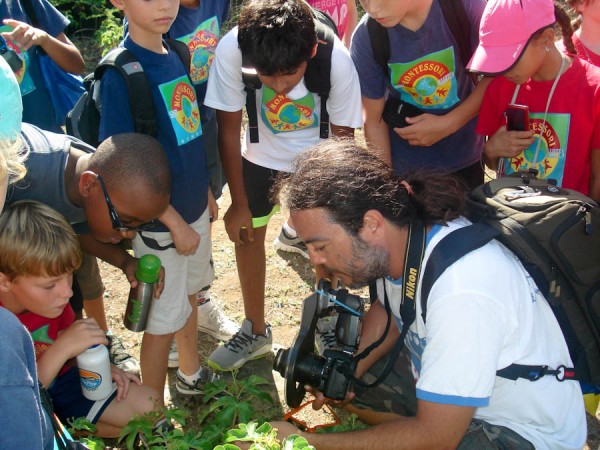
I went on a field trip with students from the Sint Maarten Montessori school on Friday and it was a blast! We saw kleptoparasitic spiders, ants moving their nests, lizards that live only on St. Martin and many other interesting things while walking through Bellevue. Word on the street is that the kids had a really great time and learned […]
read more

Wildlife Guide Downloads

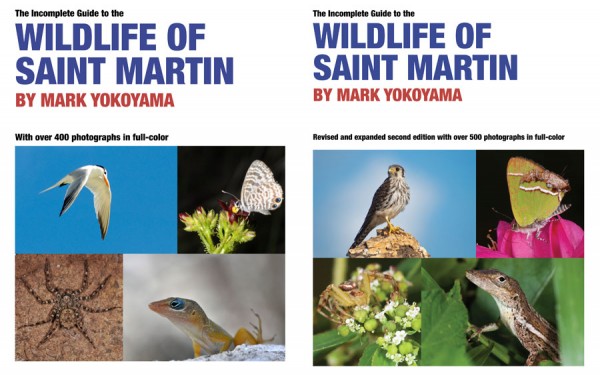
In case anyone doesn’t know, you can download the first edition of the St. Martin wildlife guide for free here: http://www.sxmwildlife.com/publications/ The second edition is currently at the printer and should be available in June. The PDF of this version is currently available to the backers who supported the printing of the book. Once the book is out, the PDF […]

read more

Proofs!

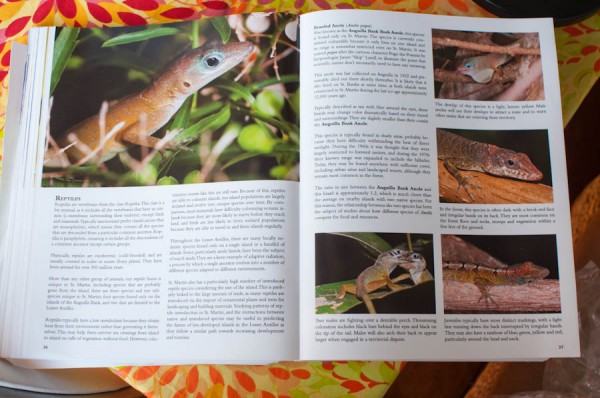
Excitement! Proofs of the new book have arrived today in several forms: a bound digital print, an unbound set for checking the color and even a totally blank dummy book showing the exact paper and binding. I’m just starting to review it now, but so far it looks like the print quality will be very good.

read more

Ground-nesting Birds

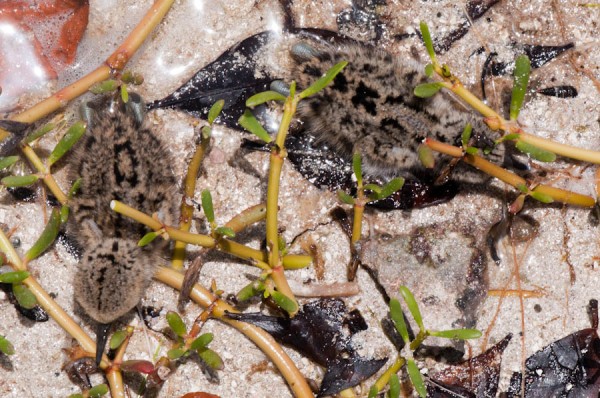
It’s nesting season for a number of bird species that nest on the ground, including killdeer, least terns and black-necked stilts. These nests are most common on mudflats around our salt ponds. Because the nests are unprotected, camouflage is the primary defense mechanism. Many of the nests are just a small depression in the sand or mud, with hard-to-see eggs. […]

read more

Anguilla Bank Anole

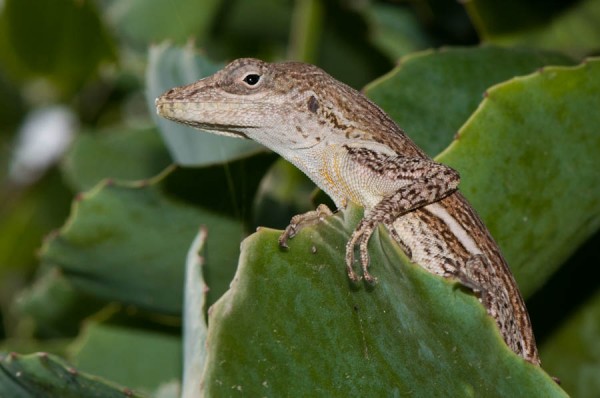
The Anguilla Bank anole is found throughout the Anguilla Bank: Anguilla, St. Martin, St. Barts and most of the smaller islets in the area. Why? Because during the last ice age, all these islands were connected. During the height of the last glacial period, about 12,000 years ago, the sea level was about 120 meters lower than it is today. […]

read more

Stink Bug Nymph

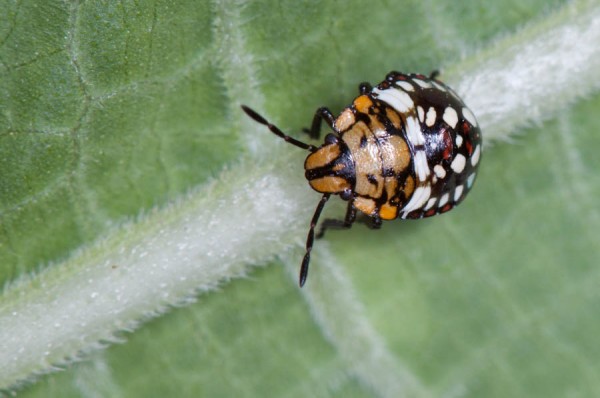
Here’s another test photo with the ring flash adapter, and probably better as a test. It can be very difficult to get enough light on shiny insects without having a harsh reflection of the flash. In this case, there is some reflection down the middle of the back, but it isn’t too bad. The insect itself looks like a nymph […]

read more

Spiderling Plume Moth

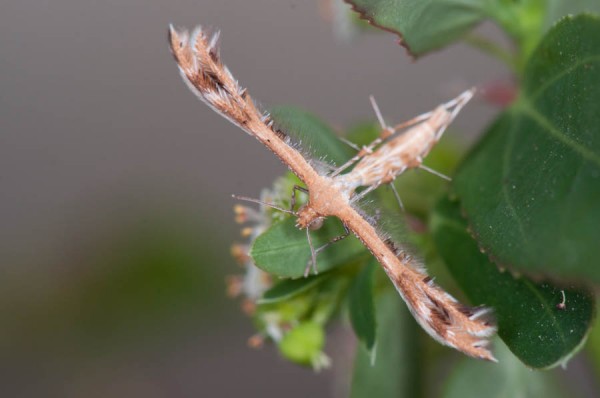
After a mishap involving salt water that killed one of my little macro flashes, I got an inexpensive adapter that takes light from a big flash and makes it into a ring flash, essentially a ring of light around the camera lens. It’s awkward and cheap, but it does create a very soft, even lighting as you can see here. […]

read more

Why We Recognize the Gray Kingbird

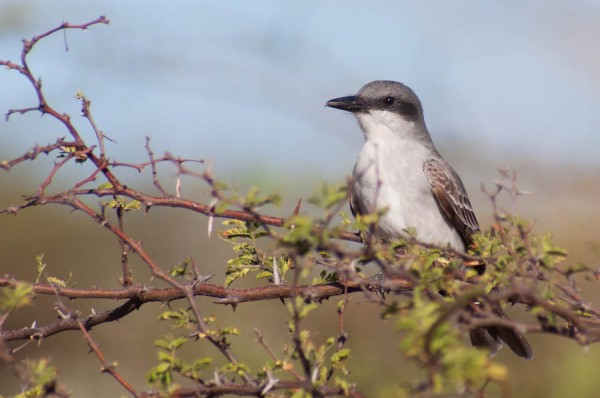
If you live on St. Martin, surely you recognize the gray kingbird, but why? Out of over 100 birds that live on St. Martin, perhaps only a handful are as familiar as the gray kingbird. One reason is that they are relatively common, and another is that they seem to be pretty comfortable in urban areas where most people spend […]

read more

Ten-spotted Longhorn

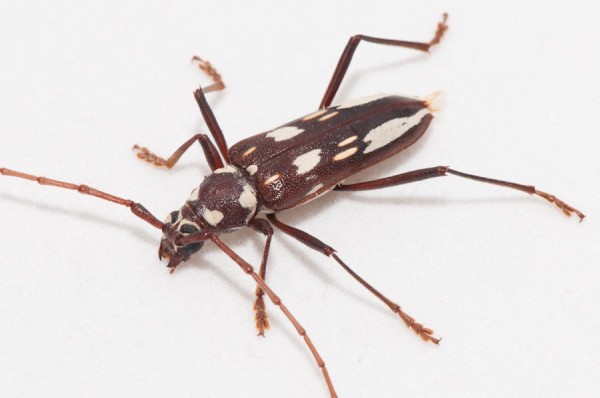
My friend Chloe Petrelluzzi found a very nice ten-spotted longhorn (Eburia decemmaculata) at her house yesterday and I borrowed it to take a couple photos. This family of beetles is known as the longhorn beetles because most species have long antennae. Many of them live inside trees and eat wood as larvae, so they can also be known as wood-boring […]

read more

Ensign Coccid

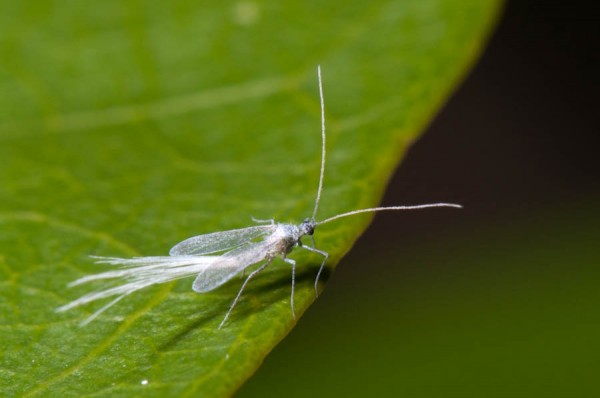
Sometimes, especially early in the morning, you may see these tiny fly-like insects with hairlike tufts coming out of their behinds. They’re adult male ensign coccids. Juveniles and females are white, scale-like and found on plants. They’re related to other scale insects and mealybugs, and less-closely related to other hemipterans, like stink bugs and cicadas.

read more