Author Archives: Mark

Endemic Bird Walk

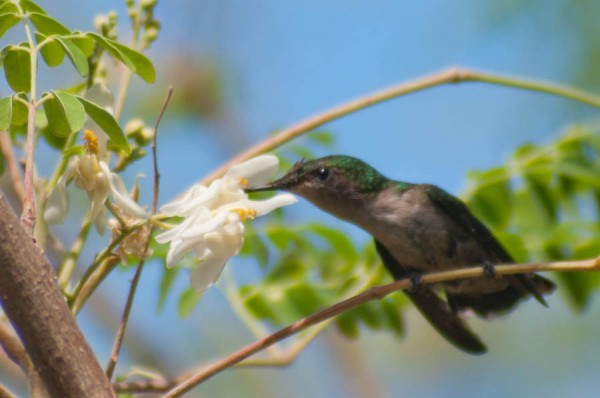
This Saturday at 9am, I will be doing a bird walk on behalf of Environmental Protection in the Caribbean (EPIC) as part of the Caribbean Endemic Bird Festival. Endemic means being unique to a specific place. Although there are no birds that are found only on St. Martin, the island is home to a number of species and subspecies that […]
read more

Molting Bush Cricket

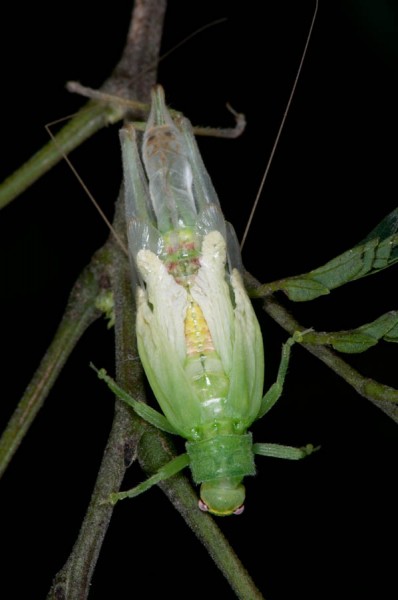
Some insects, like crickets and their relatives, undergo what is known as incomplete metamorphosis. The immature insects are known as nymphs, and they typically look somewhat similar to adults, but often without functional wings. In order to grow, they need to shed their exoskeleton periodically, a process known as molting. This bush cricket is molting for the last time. It […]

read more

Jack Spaniard Theory

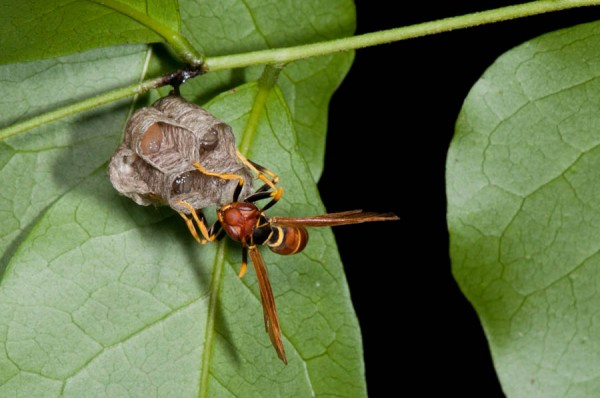
I’ve been stung by the Jack Spaniard wasp more times than I can count. When they are just flying around, they are peaceful, but if you get too close to a nest, they become quite aggressive. Usually it is a nest that I don’t notice until they are stinging me. I have noticed one exception: if there’s only one wasp […]

read more

Workshop at St. Martin Book Fair

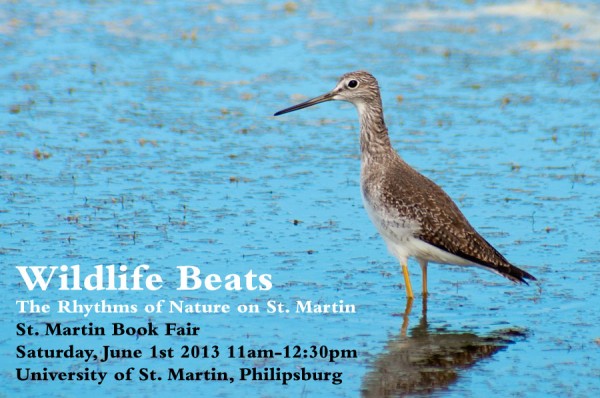
The 11th annual St. Martin Book Fair is coming up soon: May 30 – June 1. The book fair is one of my favorite events on the island and I’m sure this year will be better than ever. This year’s theme is Drum Beats, and on June 1st I will be conducting a workshop as part of the fair. In […]

read more

Tiny Mantidfly

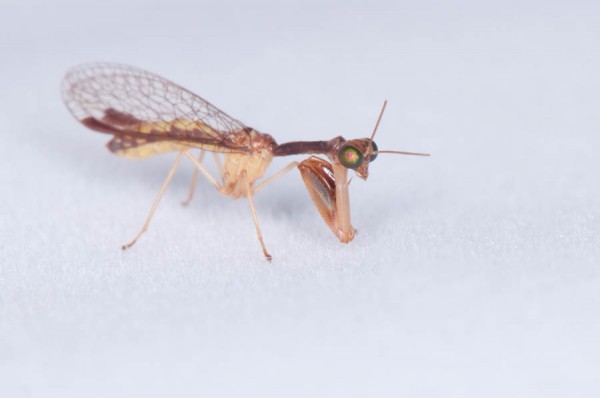
I found this mantidfly at a friend’s house yesterday and took it home to photograph because it was much, much smaller than any that I’ve seen before. Looking at it this morning, it looks the same as others I’ve seen, just smaller. I went looking online today to see if males and females are different sizes, but I don’t think […]

read more

Dry Island

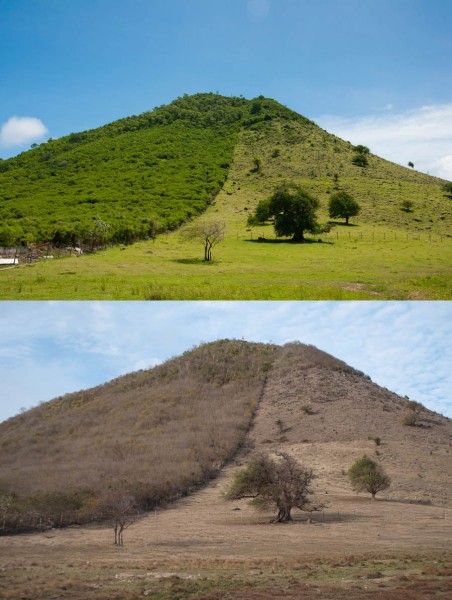
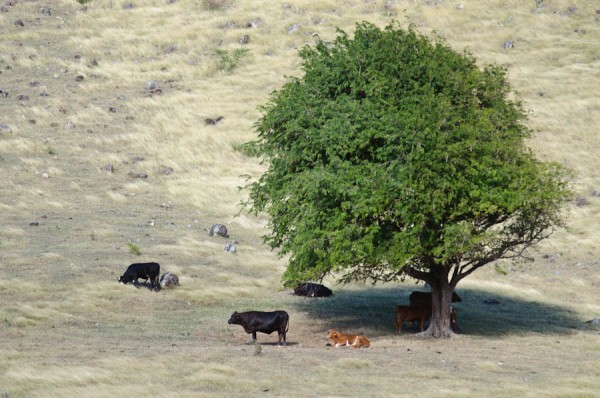
I’m glad I took a few photos yesterday of how dry the island was. From what I know, this spring was particularly dry on St. Martin. Most of the ponds had very low water levels, often exposing large areas of mudflat. The hills were as dry as I have ever seen them. Every year, the seasonal change between wet and […]

read more

Chick and Egg Resemblance

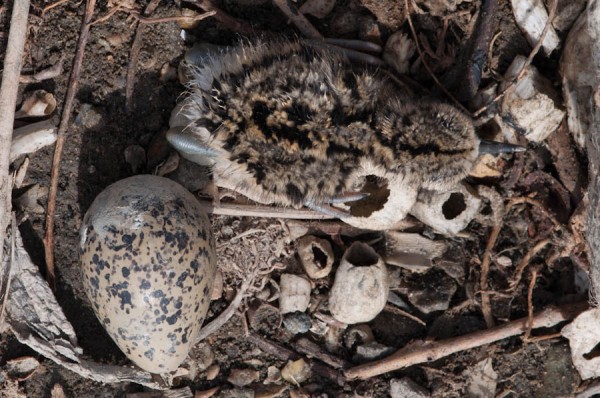
I never realized how much black-necked stilt chicks look like black-necked stilt eggs until I saw a nest today with a chick and an unhatched egg together. They have basically the same coloration and pattern, which makes sense, because both the chick and the egg rely on camouflage as a defense mechanism.

read more

Little Woodslave

I’ve been drafting some updated slideshow presentations on a variety of St. Martin wildlife topics. It’s fun because there are so many ways to look at wildlife on St. Martin. The Lesser Antilles are like a series of little experiments showing how animals adapt to slightly different conditions and different mixes of native and introduced species. I’ve added a page […]

read more

In the Bark of the Tamarind

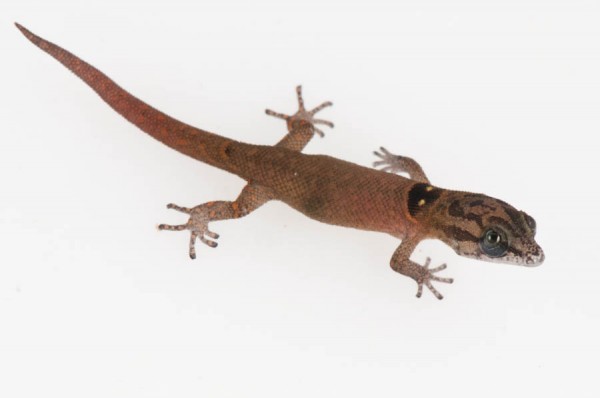
Large tamarind trees are often found in pasture areas, where they provide shade for livestock during the heat of the day. The loose bark of these trees also provides shelter for a number of different animals, including geckos, spiders, scorpions and beetles. Many of the animals that shelter under the bark of the tamarind during the day are nocturnal, emerging […]

read more

Planthopper and Macro Photography on Field Trips

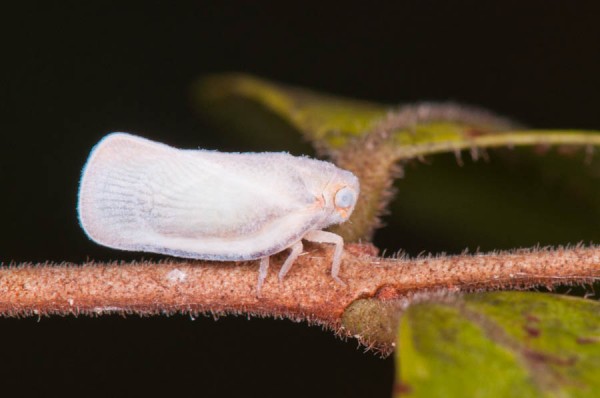
Here’s a planthopper (Ormenoides venusta) we saw on the field trip with the Montessori students. These tiny insects are very common on St. Martin. Like all members of the order Hemiptera, they have straw-like mouthparts and drink their food. In this case, this planthopper feeds on many different plants. I don’t take a lot of photos when doing a field […]

read more