Author Archives: Mark

Night Heron

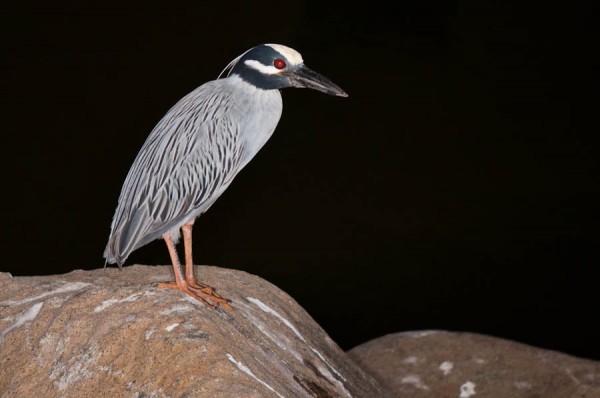
The Yellow-crowned Night Heron is primarily nocturnal, as are many crabs, which are one of their favorite foods. They are just a couple examples of the many animals that are active at night. In fact, this bird is also known as the Crabier or Crab-eater. Many nocturnal species are unfamiliar to most people because they spend their days hiding. Between […]
read more

Scale Insects and Plant/Animal Interactions

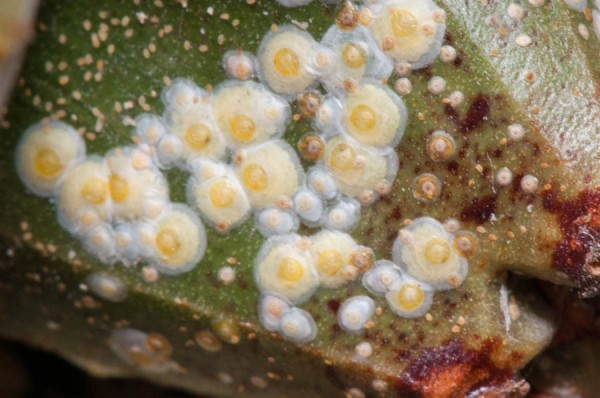
Today at CIA I talked with the third grade class about the various relationships between plants and animals. Obviously, a lot of insects feed on plants, and one of the things we discussed was how various caterpillars have specific host plants, often because the plants have developed toxins and the caterpillars have developed the ability to handle specific toxins. One […]

read more

Complicated Relationships

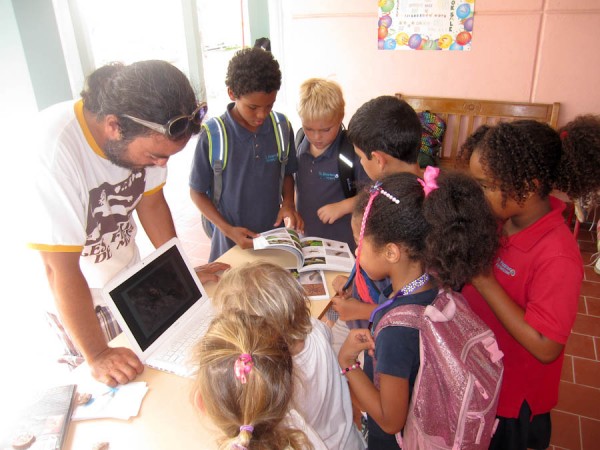
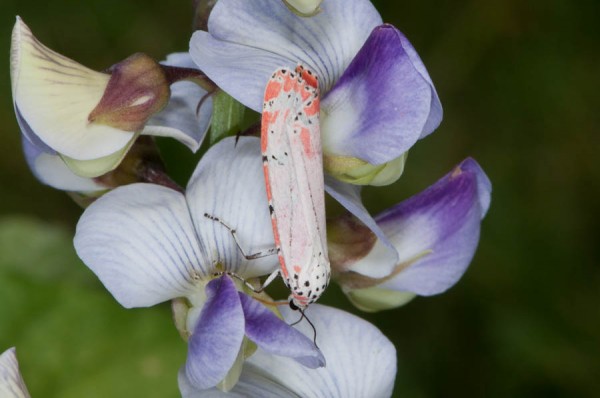
Today I’m giving a presentation to third graders at CIA (Caribbean International Academy) about the relationships between plants and animals on St. Martin. Often insects and plants have evolved together to have both symbiotic and confrontational relationships. This photo shows an Ornate Moth feeding on nectar from a wild pea plant. Plants provide nectar for insects (and other animals) in […]

read more

Green-throated Carib Nesting

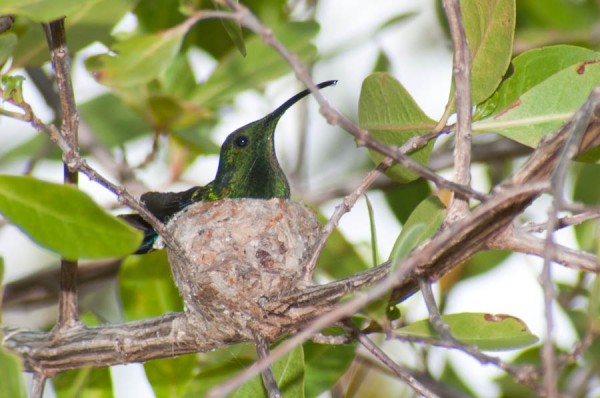
Although we saw the green-throated carib on our endemic bird walk on Saturday, we didn’t see the one that was nesting just a few meters from where we walked. Here’s a photo of the mother on her nest. We can tell it’s the mother because males don’t take care of the eggs or the chicks. This mother spent a lot […]

read more

Endemic Bird Walk

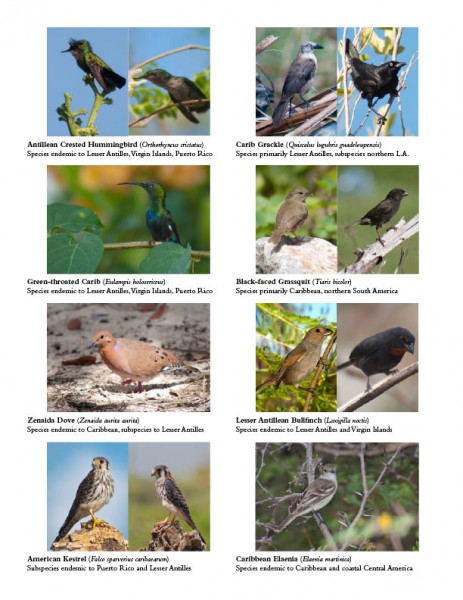
We had a terrific time on the endemic bird walk and saw 7 of the 8 locally-endemic species/subspecies that were on the flyer. (No kestrels this time!) One of the highlights was seeing a yellow warbler sitting on her nest. Thanks to everyone who came!

read more

Their Favorite Mangrove

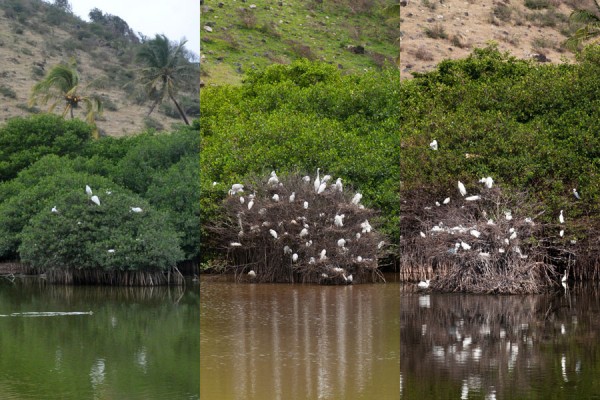
One of the things we will see on this morning’s bird walk is a large nesting colony of Great Egrets, Snowy Egrets and Cattle Egrets. They have been nesting on Étang de Cimetière in Grand Case for at least several years. One mangrove tree has been a particular favorite of theirs, and over the last few years it has died, […]

read more

Habitats and Their Inhabitants at Sister Marie Laurence School

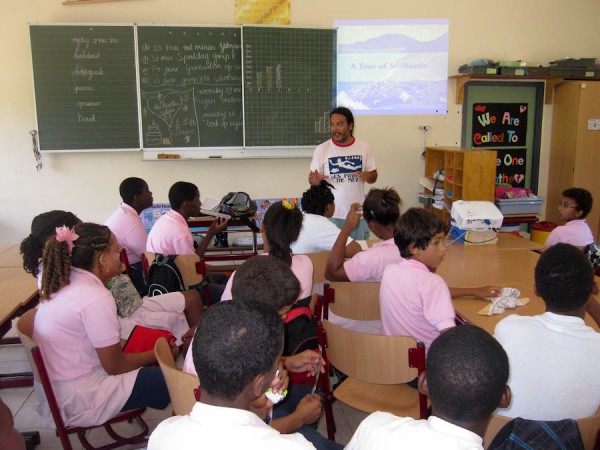
Today I went down to the Sister Marie Laurence Primary School to talk about the different types of habitat on St. Martin and the different animals which live in each habitat. Once again, the students were great and had lots of interesting questions. Next week I’ll be back to do a nature walk near the school and I think we’ll […]

read more

The Carib Grackle

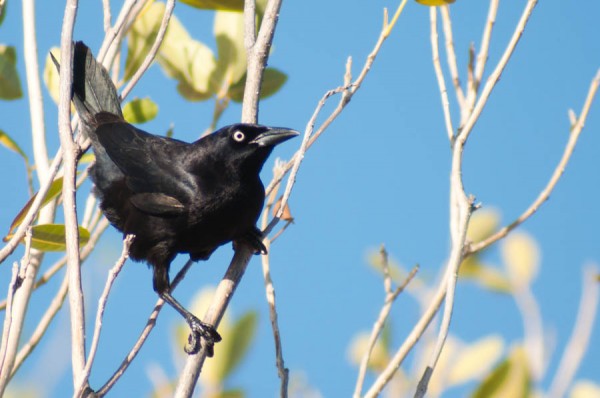
The Carib Grackle is found in the Caribbean and parts of South America bordering the Caribbean. The subspecies found on St. Martin is only found in the northern Lesser Antilles. It’s one of the endemic birds that we are sure to see on Saturday’s bird walk. It is interesting to note, however, that this bird was first officially recorded on […]

read more

Montessori Book Sale

I had a great time at the Montessori School book sale on Wednesday! I got to answer the question “And what is this one?” about 200 times. I learned that there are a lot of tarantulas in Pointe Blanche, and “at least seven” were seen in one house. I also learned that there is a funnel web spider in Australia […]

read more

Locally Endemic Bird Flyer

I made a little handout featuring some of the birds that are endemic to our area and can be seen on the walk to Happy Bay that we are doing on Saturday. Most of them are species that are endemic to the Caribbean or Lesser Antilles, and some are found in more places, but the subspecies found on St. Martin […]

read more